Service Background
Service_1
Commercial Painting

Commercial painting plays a vital role in shaping the identity and appearance of a business. A freshly painted commercial space not only reflects professionalism but also builds trust with customers and clients. The condition of your walls, exteriors, and finishes can significantly impact first impressions. A dull or chipped paint job can silently turn people away. That’s why investing in expert painting isn’t just a cosmetic upgrade—it’s a smart business move. It communicates quality, attention to detail, and pride in presentation.

Unlike residential projects, commercial painting often requires careful scheduling and planning. Businesses can’t afford long downtime or major disruptions, so painters must be flexible and efficient. Many professional teams offer after-hours or weekend service to keep operations running. Projects are often done in phases to maintain access for staff and customers. Whether it's a retail store, restaurant, or office building, commercial painting must fit seamlessly around business needs. That balance of speed and quality is what separates professionals from the rest.

Commercial properties face heavier foot traffic, harsher lighting, and greater wear and tear. This means paints and coatings must be chosen with durability in mind. High-traffic zones like hallways, lobbies, and common areas need scuff-resistant finishes. Exterior surfaces, on the other hand, must endure weather conditions, UV rays, and pollutants. Experienced painters help clients choose the right products for each surface. The goal is to deliver results that are not only beautiful but built to last.

Color selection in commercial painting carries more weight than most realize. The right color can influence mood, improve productivity, or even boost sales. In restaurants, warm tones can stimulate appetite; in offices, soft neutrals promote focus and calm. Businesses often incorporate brand colors to reinforce identity across spaces. A good commercial painter can offer guidance backed by color psychology and design trends. They ensure the environment looks cohesive, inviting, and on-brand.

Surface preparation is often the most overlooked yet essential step. Before the first coat goes on, surfaces need cleaning, patching, sanding, and sometimes priming. In older buildings, painters might have to deal with peeling paint, cracks, or water damage. Skipping these steps can cause paint to bubble, peel, or wear unevenly. True professionals invest the time in preparation because they understand it’s the foundation for longevity. It’s not just about paint—it's about proper process.

Safety is another critical aspect of commercial painting projects. Depending on the building type and height, scaffolding, lifts, or harnesses may be required. Professionals follow strict safety guidelines and carry proper insurance to protect both their team and the property. Using low-VOC or eco-friendly paints is also common in commercial settings. This minimizes health risks for employees and visitors during and after the job. Responsible contractors prioritize safety just as much as aesthetics.

One often overlooked benefit of commercial painting is its effect on morale and productivity. A clean, modern-looking workplace has been shown to improve employee satisfaction. When workers feel their environment is well-maintained, it boosts pride and motivation. Likewise, customers are more likely to return to a space that feels fresh, clean, and cared for. This creates a subtle but powerful impact on business performance. A new coat of paint can truly refresh more than just walls—it revitalizes the workplace experience.

In conclusion, commercial painting is far more than applying color to walls. It’s a strategic investment in your brand image, employee well-being, and customer perception. From product selection to scheduling, safety to design, each decision shapes the outcome. That’s why hiring experienced, professional painters is crucial. They understand the demands of commercial environments and deliver results that are both beautiful and practical. For businesses that value quality and presentation, a great paint job makes all the difference.

Service 2 Image
Residential Painting

Painting your home is more than just changing colors — it’s about creating a space that reflects your lifestyle and personality. Whether you're moving into a new house or refreshing your current one, a high-quality residential paint job can make a world of difference. Walls, ceilings, trims, and even outdoor spaces can influence how your home feels. A fresh coat of paint brings life into rooms that once looked dull or outdated. With the right finish and color, a home can feel warmer, brighter, and more inviting. It’s one of the simplest ways to transform your space without a major renovation.

Homeowners often underestimate the planning that goes into residential painting. From choosing the right colors to selecting finishes and preparing the surfaces, every step plays a role in the final look. Proper taping, priming, and sanding ensure smooth, clean results that last. Working with professionals helps avoid common DIY mistakes like streaking, paint bubbles, or uneven coverage. They bring the tools, knowledge, and techniques to get it right the first time. And most importantly, they respect your space while working, leaving no mess behind.

Interior painting requires a different level of finesse. It’s not just about applying paint—it’s about achieving clean lines around trim, ceilings, and tight corners. Each room may require a different approach based on lighting, layout, and function. For example, bold colors might work well in a playroom, while soft neutrals suit bedrooms and living areas. Experienced painters consider the atmosphere you want to create and offer expert advice along the way. This kind of personalized approach turns a paint job into a true design upgrade.

On the exterior, residential painting plays a crucial role in both appearance and protection. Paint acts as a barrier against harsh sunlight, moisture, and temperature changes that can damage surfaces over time. Whether it’s brick, timber, or weatherboard, the exterior needs the right type of paint and prep to ensure longevity. A well-painted home exterior boosts curb appeal, increases property value, and leaves a lasting first impression. Regular upkeep also prevents more costly repairs in the future. Simply put, a good exterior paint job does more than look good—it adds protection and peace of mind.

Color choice can feel overwhelming, but it’s one of the most exciting parts of the process. Whether you're going for a modern minimalist look or something more vibrant, colors help define your home’s identity. Light shades open up smaller spaces, while deeper tones add drama and sophistication. Paint specialists often offer color consultations to help homeowners decide what best suits their taste and space. They’ll also factor in natural light, room size, and furnishings to guide their recommendations. It’s about finding that perfect balance between style, comfort, and functionality.

One of the advantages of hiring professional painters is their ability to work around your schedule. Whether you need work done room-by-room or the entire house painted in one go, a reliable team will plan accordingly. They'll manage the project efficiently, ensuring minimal disruption to your routine. Many also offer flexible hours, weekend work, and fast turnaround options. This is especially helpful for families or individuals working from home. Good painters prioritize not only the result but also the experience throughout the project.

Paint quality and technique go hand in hand when it comes to durability. Investing in premium products ensures your walls stay vibrant, easy to clean, and resistant to damage. Professionals understand which finishes work best—matte for ceilings, semi-gloss for trims, or washable satin for kitchens. With the right tools and coatings, paint can withstand moisture, dirt, and frequent contact. It’s not just about short-term beauty—it’s about creating a finish that maintains its charm for years to come. The goal is to paint once and enjoy it longer.

In the end, residential painting is about more than color — it’s about enhancing the way you live. A freshly painted home can elevate mood, boost pride, and offer a fresh start. Whether you're prepping for a sale or simply updating your surroundings, a professional paint job makes the process seamless. It’s one of the most cost-effective ways to add value to your property without major construction. With skilled hands and thoughtful design, even the most ordinary space can feel completely new. And that’s the true power of great painting.

Service_3
Roof Painting

Roof painting is an essential part of maintaining a property’s appearance and durability. While it may seem purely aesthetic, painting your roof actually provides multiple functional benefits. It helps prevent weather damage, reduces heat absorption, and extends the life of roofing materials. Homeowners often overlook this service until issues arise, but early treatment can save thousands in future repairs. When done properly, roof painting not only enhances curb appeal—it protects your biggest investment. A freshly painted roof instantly adds a polished, well-kept look to any property.

The process starts with a thorough inspection and cleaning. Roofs gather years of dirt, moss, mildew, and debris that must be removed before paint can adhere. High-pressure washing ensures a clean surface, exposing any cracks or damage that may need repairs. Only after proper cleaning and treatment is the surface ready for paint application. Skipping this prep step leads to peeling, patchy finishes and reduced protection. A professional team will never rush—surface prep is what guarantees a long-lasting result.

Choosing the right type of paint is crucial for roof applications. Not all paints are designed to withstand intense sunlight, rain, and wind. Reflective roof coatings can help reduce internal temperatures, lowering energy bills during hot months. In coastal areas, salt-resistant paints help combat corrosion from sea air. Tile, tin, metal, and Colorbond roofs all require different paint types for maximum adhesion and durability. The right paint, paired with expert technique, ensures your roof holds up against the elements for years.

A professionally painted roof does more than look good—it adds real value to your property. Whether you’re planning to sell or just want to improve aesthetics, a clean, uniform roof makes a strong impression. Buyers often judge a home’s maintenance by visible elements like roofing and siding. A worn or faded roof might suggest neglect, even if the rest of the property is pristine. On the other hand, a fresh coat can elevate the entire appearance of your home. It’s a smart investment with visual and financial returns.

Safety is a major concern when it comes to roof painting, especially for multi-storey homes or steep pitches. Working at heights requires specialized equipment and proper safety procedures. Professional painters use harnesses, ladders, scaffolding, and non-slip footwear to protect both themselves and your property. Attempting a roof painting job without the right gear can lead to serious injury or damage. Trusting licensed, insured experts ensures the job is done efficiently and safely. Peace of mind comes from knowing every precaution has been taken.

Color selection also plays a surprising role in roof performance. Light colors reflect sunlight and help keep homes cooler, especially in warmer climates. Darker tones absorb heat, which may be preferred in colder regions for natural warmth retention. Many homeowners choose colors that match the overall style of their home, complementing trims or brickwork. There’s also the matter of local regulations—some neighborhoods may have restrictions on roof color options. A good contractor will help guide you through the selection process with both style and performance in mind.

Another advantage of roof painting is that it acts as a waterproof barrier. Quality coatings seal small cracks and gaps, reducing the risk of leaks during storms. Paint also shields roofing materials from UV damage, which can lead to brittleness or premature wear. This is particularly important in areas with extreme seasonal weather, where constant expansion and contraction stress the roof. With routine painting every few years, you can greatly reduce the need for expensive repairs or replacements. Think of it as preventive care for your home’s crown.

In conclusion, roof painting is a smart, cost-effective way to protect and improve your property. It combines visual impact with practical benefits, offering better insulation, leak resistance, and weather durability. With the right team and materials, it’s a simple project that yields long-term rewards. Whether you have an aging roof or just want to refresh your exterior, painting is an efficient solution. It’s not just maintenance—it’s transformation. When you look up at a freshly painted roof, you see the pride of a well-maintained home.

Service_4
Interior Painting

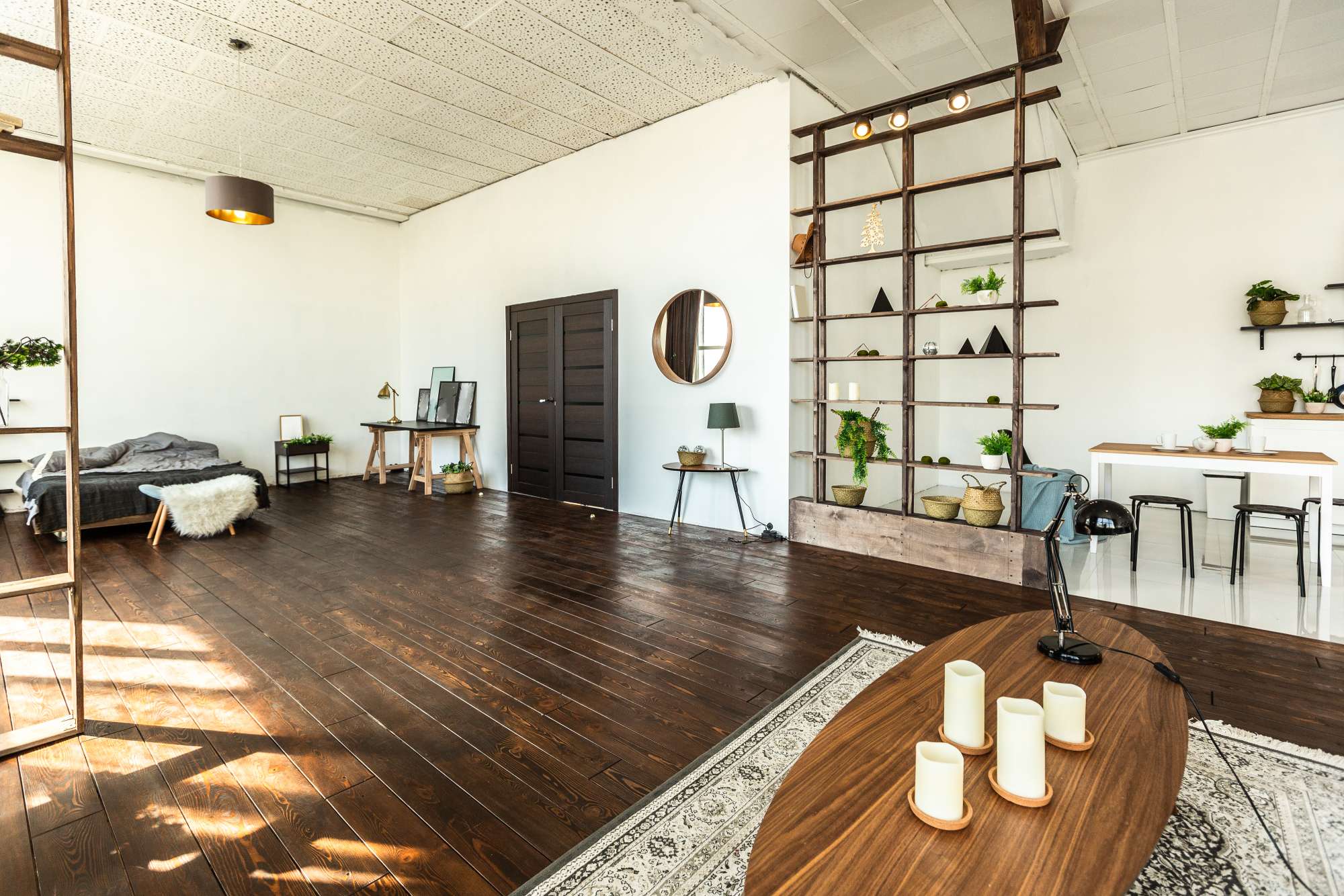
Interior painting is one of the most effective ways to refresh and redefine your living space. With the right colors and techniques, rooms can be made to feel larger, warmer, brighter, or more calming. It’s not just about style — fresh paint can also cover up stains, scuffs, and imperfections. Whether you’re moving into a new home or reviving an old one, a fresh coat can instantly modernize the look. Interior paint sets the tone for your home’s atmosphere and influences how each space is experienced. It’s a finishing touch that reflects your personality and lifestyle.

Every interior painting project begins with careful planning and preparation. Walls must be cleaned, patched, and sanded to ensure smooth and even coverage. Tape and drop sheets protect surfaces and furniture from stray drips and overspray. Professional painters take the time to prep properly, knowing it’s key to a flawless result. Even the best paint won't look right on poorly prepared walls. Taking shortcuts here often leads to uneven finishes or early peeling.

Color selection plays a major role in interior design, and it goes far beyond personal taste. Different hues can alter mood, energy, and the perceived size of a room. Light colors can make tight spaces feel open, while deeper tones add intimacy or drama. Color trends may shift, but a well-chosen palette always adds value and comfort. Many painters offer guidance or partner with design experts to help clients choose colors that align with their goals. The right color makes a space feel truly your own.

Different rooms call for different approaches when it comes to paint type and application. Kitchens and bathrooms, for example, need moisture-resistant finishes that are easy to clean. Living rooms and bedrooms may benefit from matte or eggshell finishes that soften the look. Trim and doors often require a glossier coat to stand up to wear. Knowing which finish works where is just as important as choosing the right shade. That’s where professional guidance ensures your choices are both beautiful and practical.

Lighting also plays a big part in how paint looks on interior walls. Natural light changes throughout the day and affects how colors appear in your space. Artificial lighting — whether warm or cool — can enhance or dull certain tones. A color that looks perfect in the showroom may look entirely different in your home. That’s why testing samples under your lighting conditions is highly recommended. Great painters take these factors into account before the job even begins.

The timeline for interior painting varies depending on the size and complexity of the job. Some homes may be painted room-by-room over several days, while others are completed in a single session. Professionals work efficiently while minimizing disruption to your daily routine. They use fast-drying paints and streamlined processes to reduce downtime. Flexible scheduling also helps accommodate busy families or last-minute projects. A good painting team works around your life, not the other way around.

Interior painting isn’t only about the walls — ceilings, baseboards, and trim matter too. These often-overlooked details help tie a room together and give it a polished, finished look. Crisp lines and clean edges show craftsmanship and attention to detail. Doors, closets, and even feature walls can be used creatively to enhance a room’s overall impact. When everything works together visually, the result feels cohesive and thoughtfully designed. It’s this extra level of care that separates an ordinary job from an exceptional one.

Ultimately, interior painting is an investment in comfort, value, and self-expression. It’s a chance to breathe new life into your space without major renovations or structural changes. Whether subtle and soothing or bold and expressive, the right paintwork leaves a lasting impression. It creates an environment you’ll enjoy living in every day. When handled by experienced professionals, the process is smooth, efficient, and rewarding. With the right team and a clear vision, any room can be transformed into something special.

Service_5
Exterior Painting

Exterior painting plays a powerful role in shaping how a property is perceived from the street. A well-maintained exterior immediately conveys care, pride, and attention to detail. Whether you're refreshing faded siding or changing the entire look of your home, paint can make a dramatic impact. It’s not only about aesthetics — the right paint serves as a protective layer against environmental elements. From harsh sun to heavy rain, a professionally painted exterior holds up where others peel and crack. It adds personality while defending your investment.

Proper preparation is at the heart of any successful exterior painting job. Surfaces must be cleaned thoroughly to remove dirt, mildew, and old flaking paint. Often, this includes pressure washing, sanding, and repairing minor damage before any brush touches the wall. Without these steps, even high-end paints can fail prematurely. Professional painters spend time making sure every surface is sound and smooth. This foundation ensures that the paint adheres properly and performs well for years.

Choosing the right type of exterior paint can be more complex than it seems. Different materials — like brick, wood, stucco, or metal — require different formulations to ensure long-term durability. Some paints offer built-in resistance to UV rays, moisture, or mold, depending on the climate. In areas with temperature fluctuations, flexibility in the paint helps prevent cracking. A tailored product selection means fewer touch-ups and longer intervals between repaints. Professionals take the guesswork out by matching the paint to the surface and the conditions.

Color choice for an exterior isn’t just a matter of personal taste — it influences curb appeal and even home value. Lighter colors can make a home appear larger, while darker tones add elegance and contrast. Many homeowners choose color schemes that complement the roof, trim, and landscape. It’s also important to consider how lighting and shadows play across your exterior throughout the day. A professional color consultation can help you avoid regrets and achieve a balanced, appealing look. The right color combo can completely transform how a home is perceived.

Weather plays a huge part in when and how an exterior is painted. Ideal conditions involve dry weather, moderate temperatures, and low humidity — ensuring the paint cures properly. Professionals monitor forecasts closely and plan around the season to avoid premature failures. Rushing the job during the wrong weather window can lead to bubbling, cracking, or uneven drying. A well-timed project ensures smooth application and maximum lifespan of the finish. This kind of timing strategy is part of what separates skilled painters from DIY attempts.

A quality exterior paint job not only improves looks, it adds a layer of defense against rot, rust, and pests. Wood siding, for example, is particularly vulnerable to moisture penetration without a strong barrier. Even small cracks can become entry points for termites or mold if left untreated. Paint seals vulnerable areas and slows deterioration, acting like armor for your home. Regular repainting as part of routine maintenance helps prevent structural issues down the line. What seems like a simple facelift is actually key to long-term preservation.

Homeowners often worry about disruptions during exterior work, but professionals manage this with precision and planning. Protective coverings shield landscaping, windows, and walkways from paint splatter or damage. Crew members coordinate entry points so residents can come and go freely during the project. Clean-up is handled daily, and progress is communicated clearly to avoid surprises. Reliable painters leave your space better than they found it — neat, safe, and transformed. With minimal inconvenience, the benefits of an upgraded exterior far outweigh the temporary hassle.

At its core, exterior painting is an investment in pride, protection, and value. It’s one of the most cost-effective ways to upgrade your property’s appearance and extend its lifespan. With expert preparation, top-quality materials, and a careful application, results can last for many years. Whether you’re preparing to sell, maintaining your dream home, or simply updating your look, the difference is undeniable. A beautifully painted exterior boosts confidence every time you pull into the driveway. It’s more than paint — it’s the face of your home.

Service_6
Fence Painting

Fence painting is more than just a visual upgrade—it's a vital part of preserving your property's perimeter. Exposed to the elements year-round, fences face constant wear from sun, rain, wind, and dirt. A quality paint job seals the surface, protecting it from moisture, rot, and fading. It also prevents wood from warping or cracking over time. Beyond durability, a freshly painted fence dramatically enhances curb appeal. It frames your home beautifully and leaves a strong first impression.

Before a single brushstroke is applied, proper surface preparation is key. This involves removing any loose paint, mildew, or grime through pressure washing or hand-scraping. Failing to prep correctly will result in peeling or uneven application down the line. Clean, dry wood ensures paint adheres well and lasts longer. Cracks and rough spots are often filled or sanded to smooth the surface. Taking the time to prep properly sets the stage for a long-lasting, polished finish.

Different fencing materials require different painting techniques and products. Timber, for example, absorbs paint differently than treated pine or metal fencing. Specialized primers may be necessary to ensure adhesion on certain surfaces. In some cases, a stain may be better suited than a traditional paint, offering protection while allowing the natural grain to show through. Professional painters understand how to choose the right products for the job. The goal is always longevity, consistency, and visual harmony.

Choosing a fence color is an opportunity to coordinate your exterior with your home’s architecture and landscape. Neutral tones often blend well with natural surroundings, while bold colors can make a statement. White offers a clean, classic look, while darker tones provide contrast and conceal dirt. Your color choice should also consider maintenance—lighter colors may require more frequent cleaning. A good paint job balances personal style with practicality. Professionals can help you visualize how different shades will interact with your yard.

Fence painting isn’t just about aesthetics—it also offers a protective barrier against pests. Unpainted or aging wood can attract termites and other insects, leading to structural damage. A painted finish acts as a sealant, discouraging infestation and extending the lifespan of the fence. Regular painting ensures cracks and weaknesses are identified and sealed early. This proactive maintenance keeps your property safe and avoids costly repairs. In this sense, painting is a form of long-term defense.

Weather plays a critical role in determining the best time for exterior painting projects. Warm, dry conditions are ideal to ensure proper drying and curing of paint. Humid or rainy days can compromise the finish and cause streaking or bubbling. Painters plan carefully, sometimes completing sections in stages based on weather forecasts. Temperature and moisture levels are always taken into account. A professional team knows how to get the timing right for lasting results.

One of the key benefits of hiring experienced painters is the efficiency and quality of their work. They come equipped with the right tools, ladders, and products to complete the job safely and quickly. From even coverage to crisp edges, their expertise makes a noticeable difference. DIY attempts often fall short in terms of durability and appearance. When done professionally, fence painting becomes a hassle-free experience. You get a high-quality outcome without the time and effort of doing it yourself.

In conclusion, fence painting is a smart and impactful way to enhance your property. It brings together beauty, protection, and value in a single service. With the right preparation, materials, and technique, a painted fence can withstand the elements and remain vibrant for years. It’s an affordable upgrade that supports both function and style. Whether refreshing an old fence or finishing a new one, painting makes a visible difference. It’s one of the easiest ways to boost your home’s overall appeal.

Call Now
Get a Quote